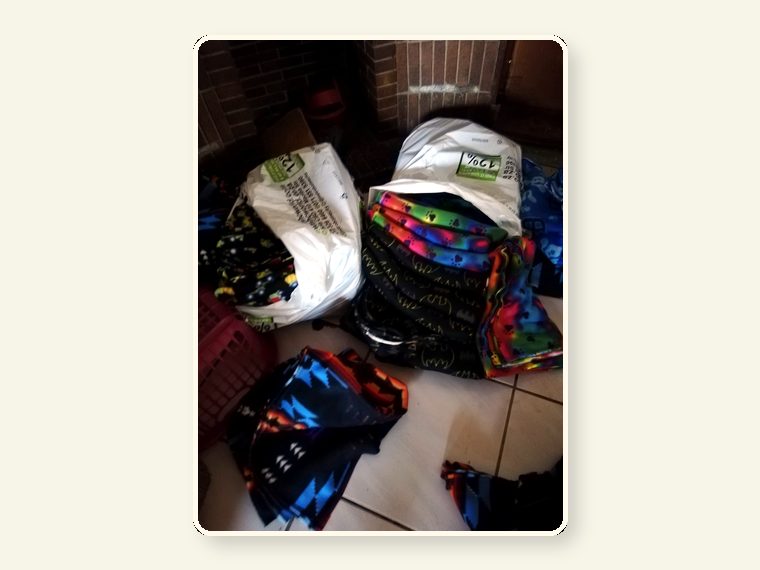
Warmth & comfort
Blankets, warm bedding, cage covers and safe sleeping spaces help protect vulnerable animals through cold nights.

Sanctuary care • education • rescue support
When the novelty wears off, their lifelong survival begins.
CESH gives rescued capuchin and exotic animals long-term sanctuary care, safe housing, specialised food, enrichment, medical support and a second chance at life.
The sanctuary has been sustained mainly through Marlene's own salary and the support of close friends and family. But the sanctuary is growing — and so is the need for food, enclosures, blankets, veterinary care and daily support.
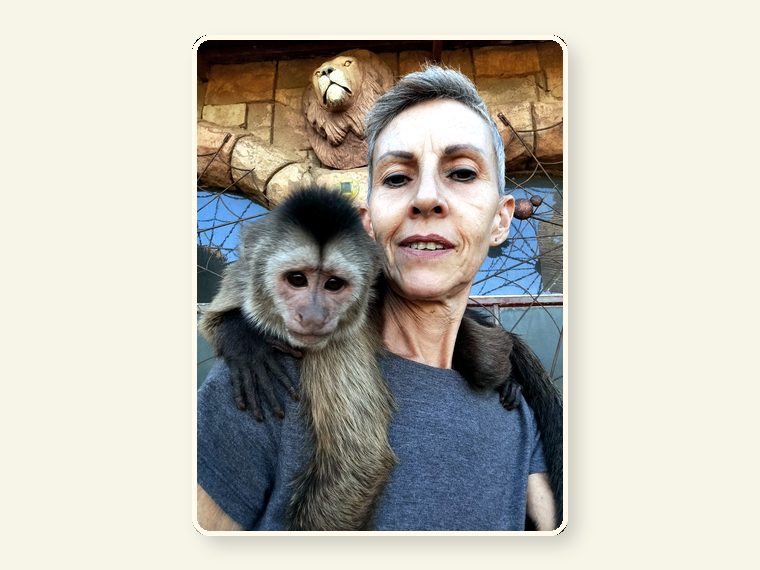
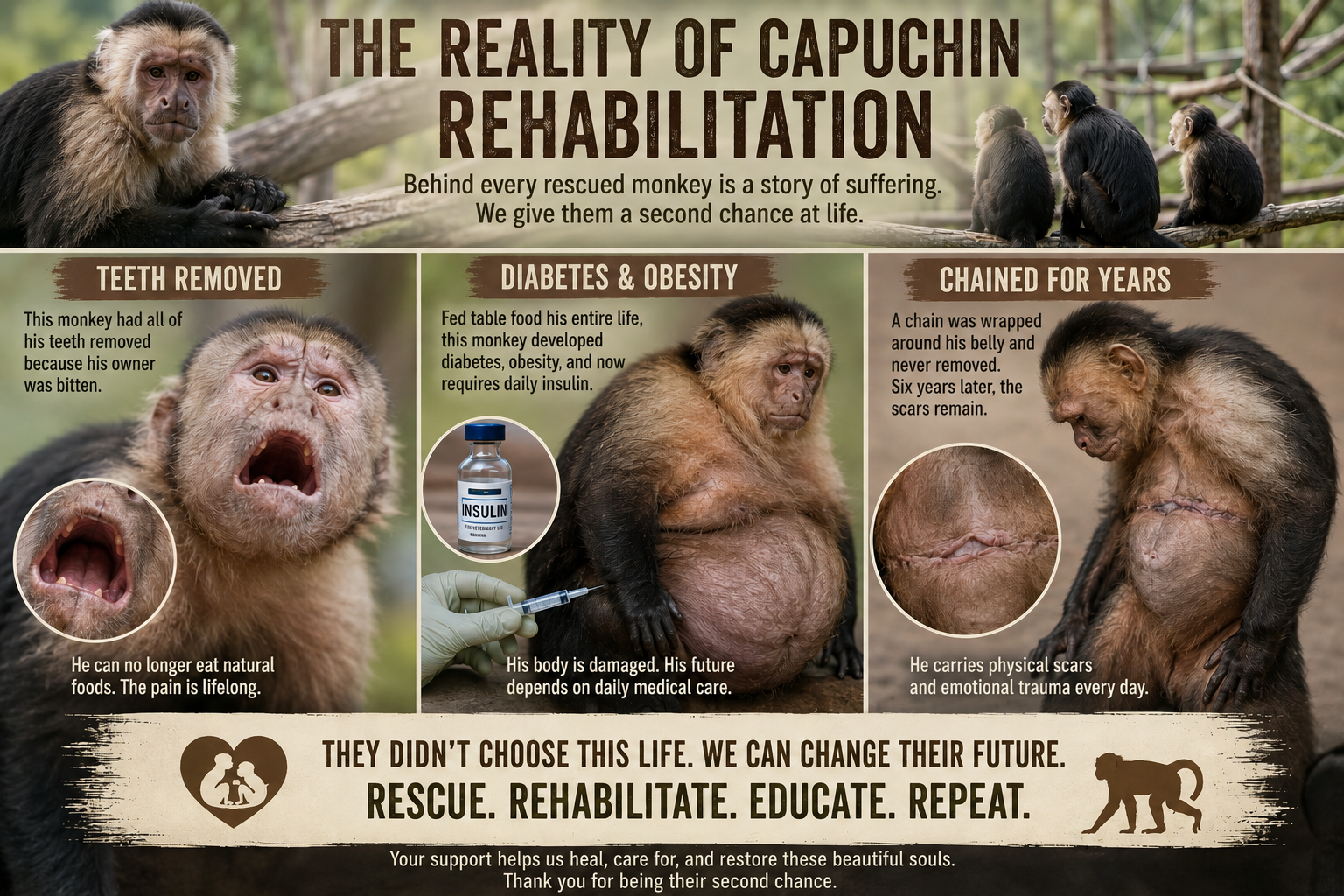
Some monkeys arrive traumatised. Some arrive with lifelong medical needs. Many need daily behavioural support and carefully managed diets. Sanctuary care is not quick — it is continuous.
View urgent needsDirect support
Support food, blankets, enclosures, medical care and daily sanctuary needs. Please use CESH donation + your name as the reference.
Where your support helps
Blankets, warm bedding, cage covers and safe sleeping spaces help protect vulnerable animals through cold nights.
Many rescued monkeys need medication, wound care, diabetic support, immune support and careful long-term monitoring.

Sanctuary care depends on daily nutrition, fresh produce, enrichment activities and safer purpose-built enclosures.
Education matters
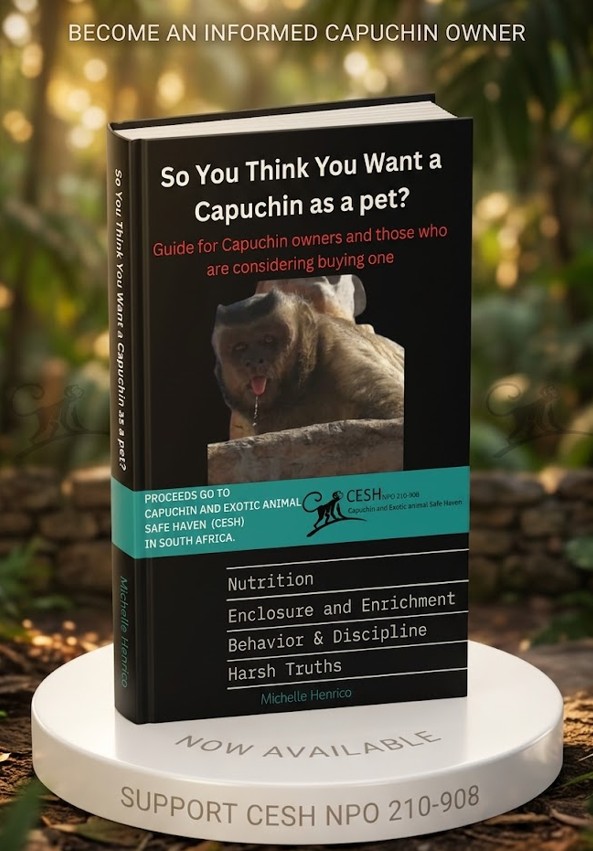
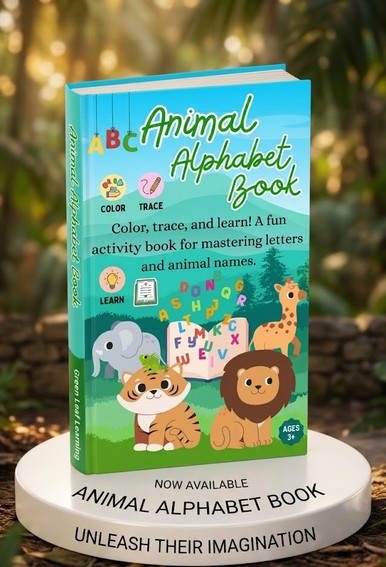
Michelle's books and educational resources help future owners understand the reality behind primate ownership, while the children's activity pages build compassion and awareness in the next generation.
The sanctuary story
Many capuchins arrive at sanctuary care because owners were not fully informed about the reality of primate ownership. As they mature, they can become aggressive, destructive, difficult to manage and impossible to keep safely in a normal home.
CESH gives these animals structure, food, warmth, medical care, daily monitoring, enrichment and the chance to live out their lives with dignity.
Read the CESH story →