About CESH

Rescue, rehabilitate, educate, repeat.

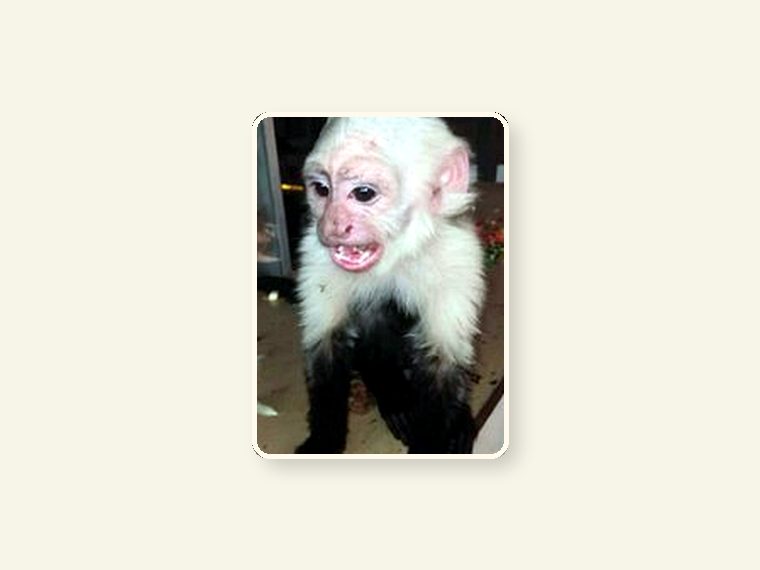
Behind every rescued monkey is a story. Some came from homes where they could no longer be safely managed. Some need specialist care. All need daily commitment.

Why CESH exists

CESH / Capuchin & Exotic Animal Safe Haven provides long-term sanctuary care for rescued capuchin and exotic animals. The sanctuary was built around one urgent truth: exotic animals are often sold without owners being fully prepared for what adulthood, aggression, diet, medical care, enclosure needs and lifelong responsibility really mean.

Michelle’s journey began after buying a capuchin monkey and learning, through Marlene’s 20+ years of experience, how serious and dangerous the situation could become without proper knowledge. That guidance helped prevent harm and led to a deeper mission: support the sanctuary financially while educating the public before more animals end up abandoned or at risk.

The sanctuary has been sustained mainly through Marlene’s salary and the support of close friends and family. But CESH continues to grow, and so do the costs of food, enclosures, blankets, medical care, enrichment and long-term specialist support for rescued animals.
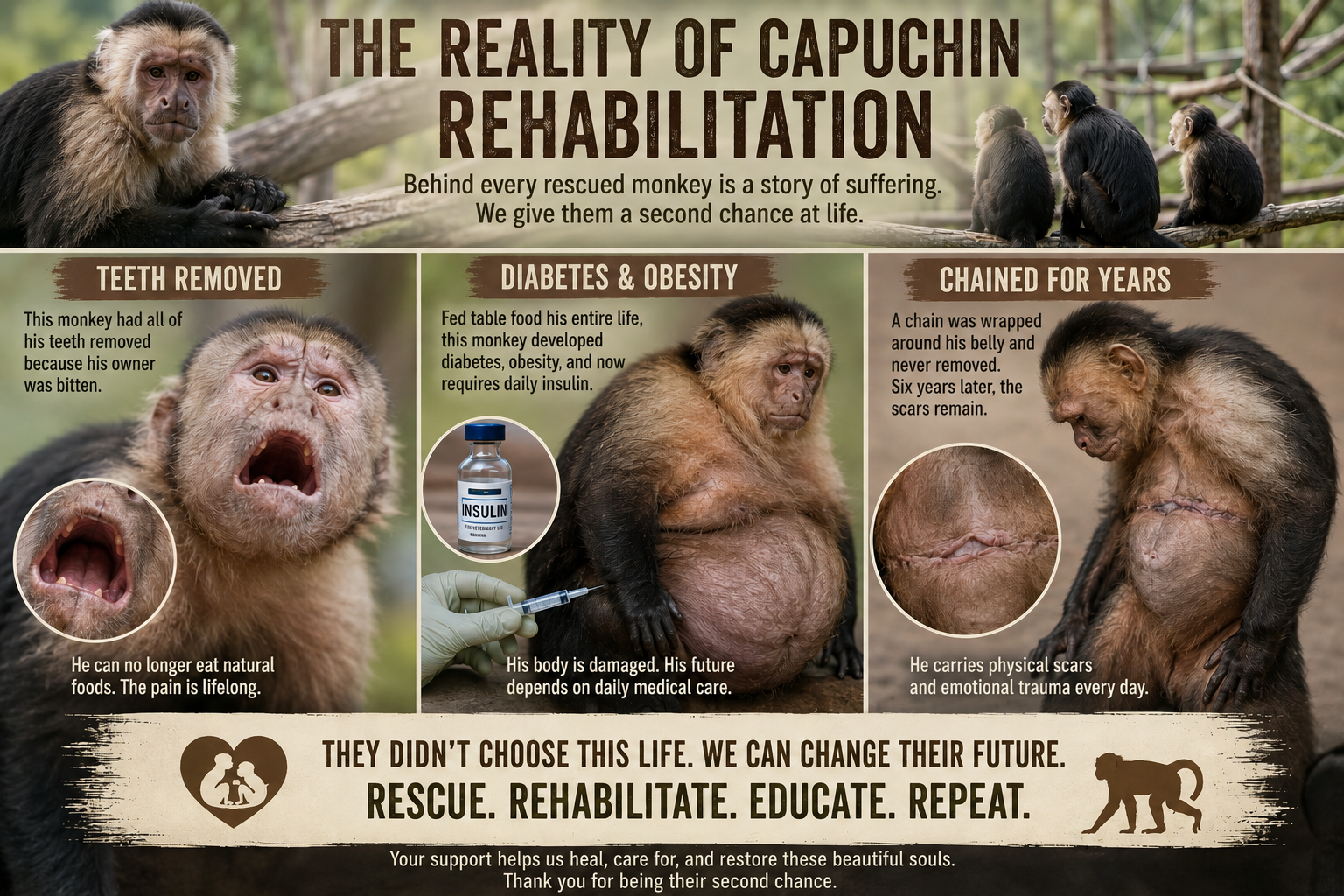
The reality of capuchin rehabilitation educational graphic shown in full

The reality of rehabilitation

Some arrive with trauma. Some arrive with medical needs. All deserve a second chance.

Capuchins can live with the physical and emotional consequences of poor ownership: unsuitable diets, unsafe housing, untreated illness, stress, isolation and behavioural damage. Rehabilitation is not quick. It is daily, expensive and lifelong.

That is why CESH combines rescue with education — to help people understand what these animals truly need and to prevent future suffering before another monkey enters the sanctuary.

View urgent needs

Real CESH images

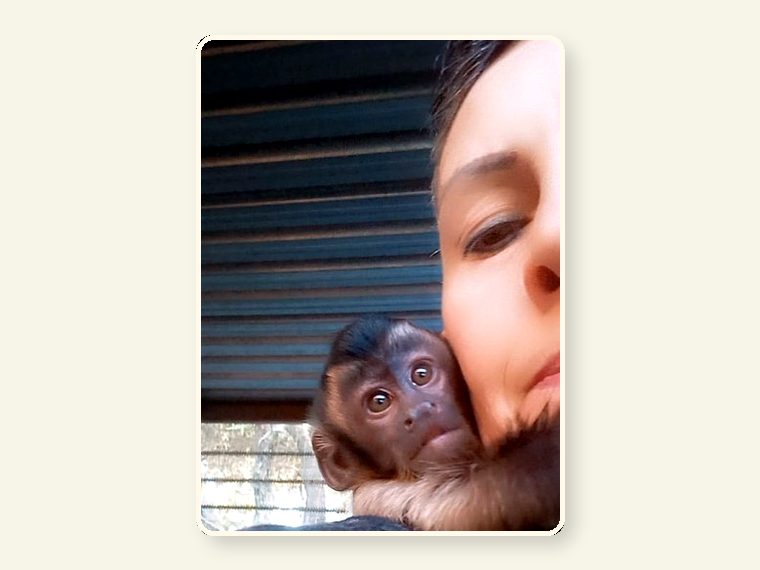
The sanctuary story is now shown with real campaign images.

Rescue care

Rescue care

Marlene and the rescued animals are the centre of the CESH mission.

Behaviour awareness

Behaviour awareness

Some images show why proper education matters before anyone buys a primate.

Safe environments

Safe environments

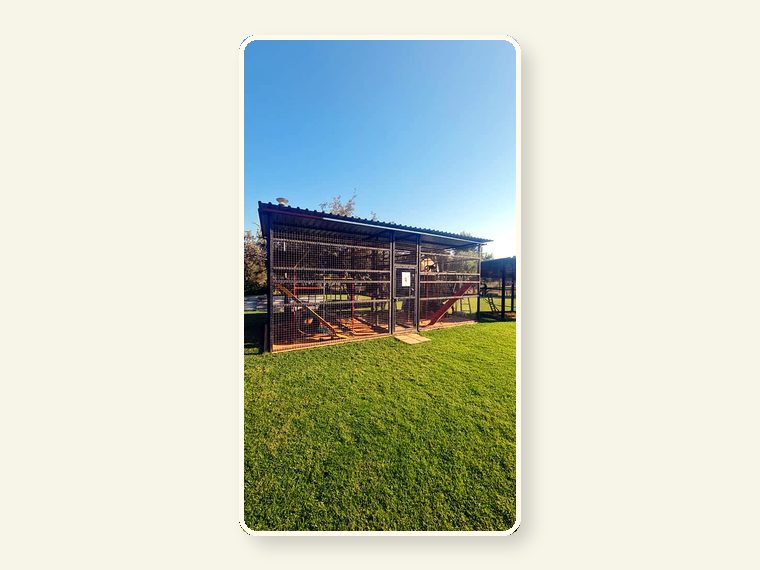
Sanctuary care requires secure, enriched and practical spaces.

What sanctuary care includes

01

Safe housing

Enclosures, cage covers, bedding, warm sleeping spaces and daily cleaning.

02

Food & nutrition

Fruit, vegetables, specialised diets, supplements and daily enrichment feeding.

03

Medical support

Medication, immune support, diabetic management, wound care, monitoring and vet-related needs.

04

Education

Books, stories, videos and public awareness to prevent future exotic animal neglect.

Open Donation Page